
Why Most WiFi Systems Fail (And How to Fix Them)
WiFi problems are one of the most common frustrations for homeowners and businesses alike. Slow speeds, dropped connections, and dead zones aren’t just annoying—they disrupt work, streaming, security systems, and everyday life.
The truth is, most WiFi systems don’t fail because of your internet provider—they fail because of poor design.
The Real Problem With Most WiFi Systems
Most people assume that if their internet is slow, the provider is to blame. In reality, the issue is usually inside the home or building.
Common problems include:
• Poor router placement
• Too few access points
• Weak signal coverage in larger spaces
• Interference from walls, appliances, and other devices
• Overloaded consumer-grade equipment
Buying a faster internet plan doesn’t fix these issues—it just masks them temporarily.
Why “Good Enough” WiFi Doesn’t Work
Many homeowners rely on basic routers or mesh systems thinking they’re “good enough.” While these systems can work in small spaces, they often break down in real-world conditions.
You may experience:
- • Dead zones in certain rooms
- • Devices constantly disconnecting
- • Slow speeds despite paying for high-speed internet
- • Inconsistent performance throughout the property
This becomes even more noticeable in larger homes, offices, and properties with multiple users.
The Biggest WiFi Mistakes We See
At SurfNet, we see the same issues over and over again:
1. Improper Router Placement – Routers placed in closets, corners, or behind furniture can’t distribute signal properly.
2. Not Enough Access Points – One router cannot cover an entire home or business effectively—especially in larger or multi-story buildings.
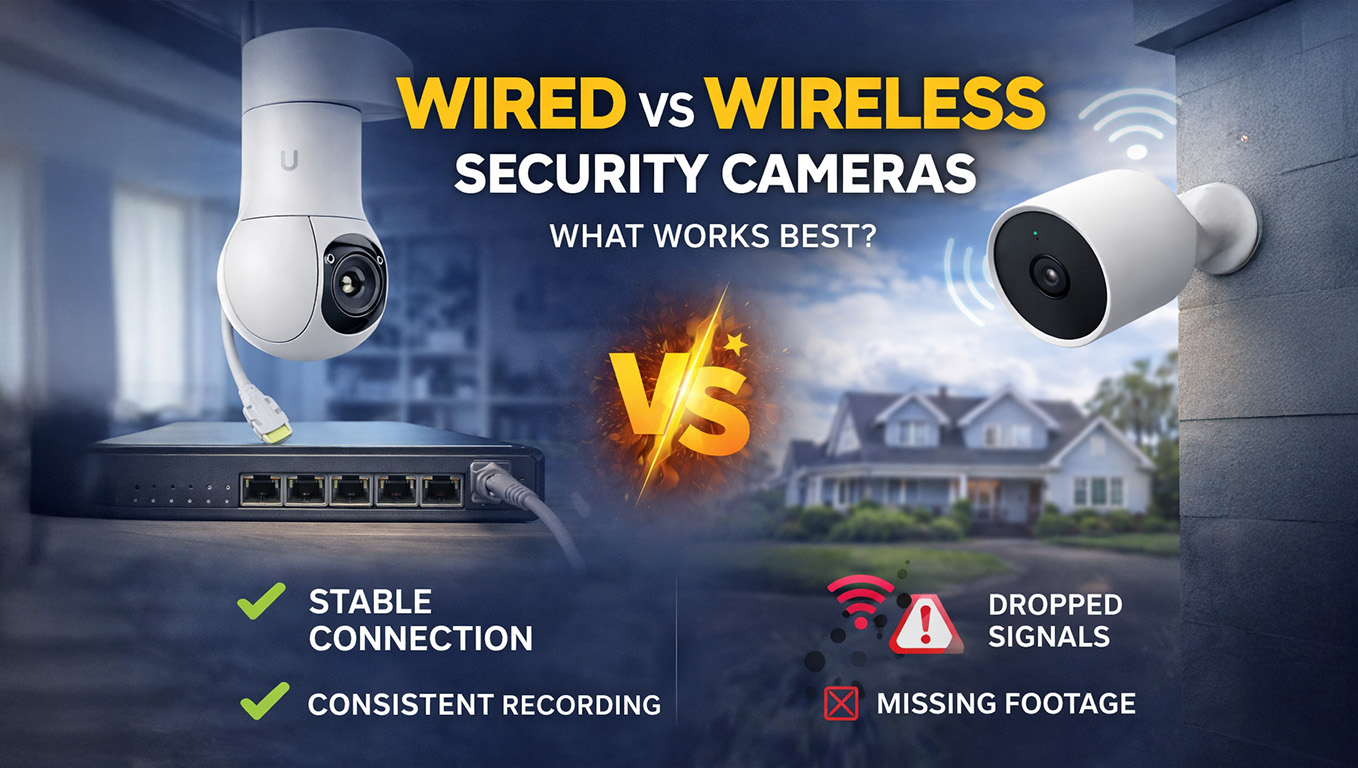
3. Over-Reliance on Wireless Systems – Wireless-only systems often struggle with stability and consistency.
4. Ignoring Infrastructure – Without proper cabling and network design, even the best equipment won’t perform correctly.
This is where structured cabling becomes critical for long-term performance.
Why Professional WiFi Systems Perform Better
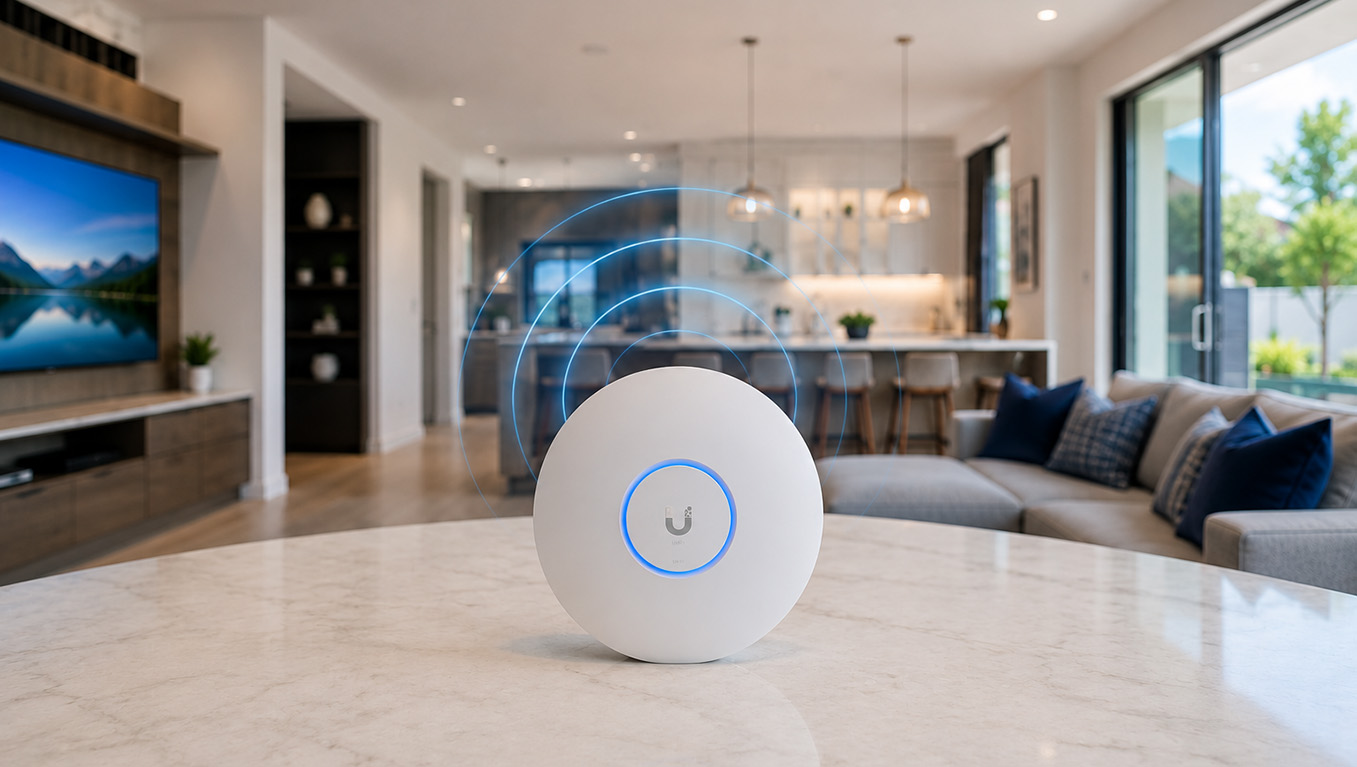
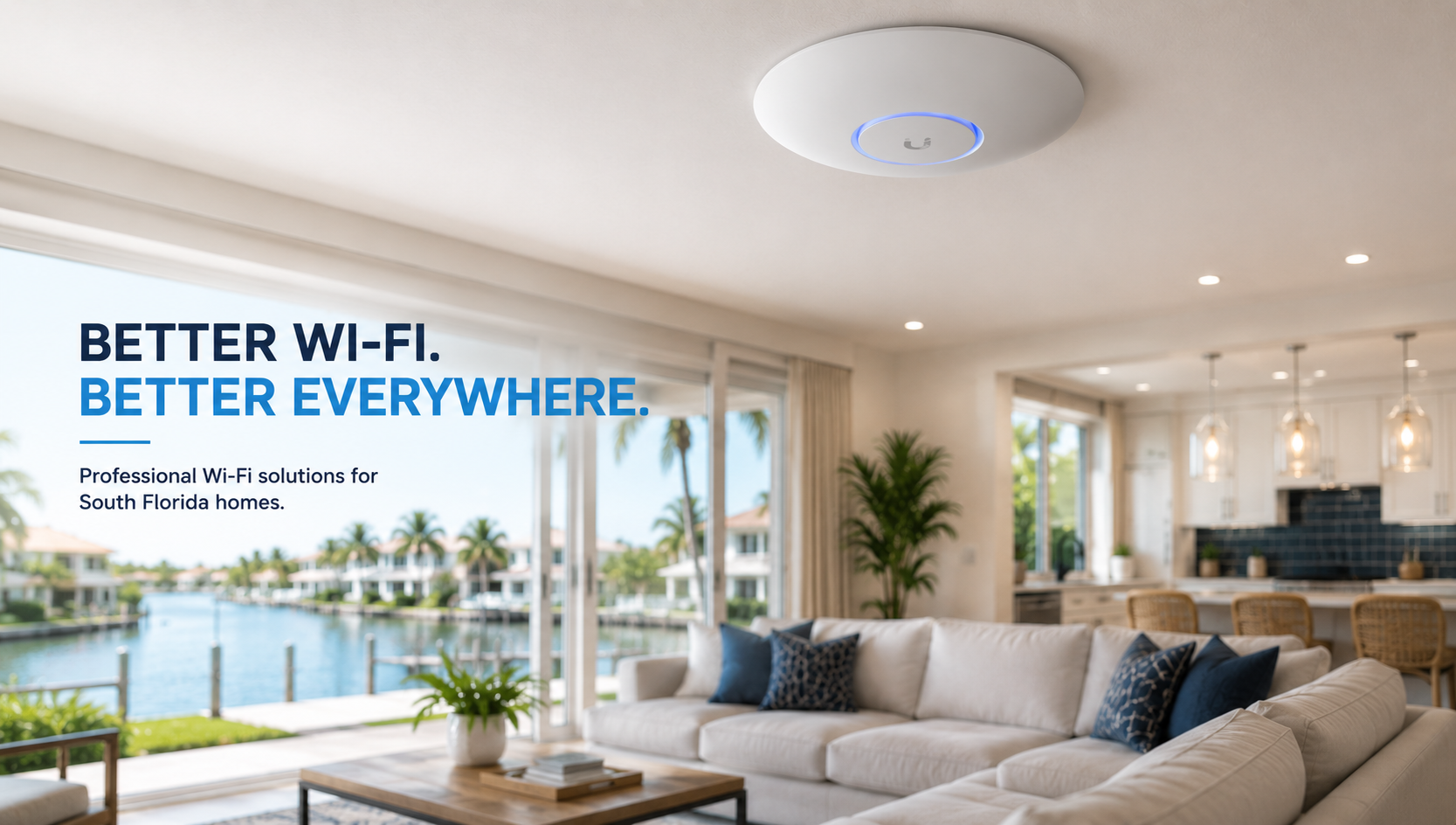
A properly designed WiFi system is built around your specific property—not a one-size-fits-all solution. SurfNet also does WiFi troubleshooting in Jupiter.
Professional systems include:
• Strategic access point placement
• Proper signal coverage planning
• Hardwired connections where needed
• Equipment designed for performance and reliability
Learn more about professional WiFi installation in Jupiter.
Fixing Slow WiFi, Dead Zones & Dropped Connections
If your WiFi isn’t performing the way it should, the solution isn’t guessing—it’s proper design.
A professional setup can:
• Eliminate dead zones
• Deliver consistent speeds throughout your property
• Support multiple devices without slowdowns
• Improve reliability for streaming, work, and security systems
The goal is simple: your network should work everywhere, every time.
Why Your Network Matters More Than You Think
Your WiFi system isn’t just for browsing—it supports everything from smart home devices to security cameras and business operations.
If your network is unreliable:
• Security cameras may fail to record properly
• Smart devices may disconnect
• Work and productivity suffer
This is one of the reasons many WiFi-based camera systems fail in real-world use.
Get Your WiFi System Designed the Right Way
If you’re dealing with slow speeds, dropped connections, or unreliable coverage, it’s time to fix the problem at its source.
SurfNet designs and installs professional WiFi systems built for performance, reliability, and real-world use.
📞 Call 561-510-6599 to schedule your consultation or get a quote today.
Serving Jupiter, Jupiter Island, Palm Beach Gardens, Tequesta, Juno Beach, Hobe Sound and surrounding areas in Palm Beach County.